food Culture unity


Featured
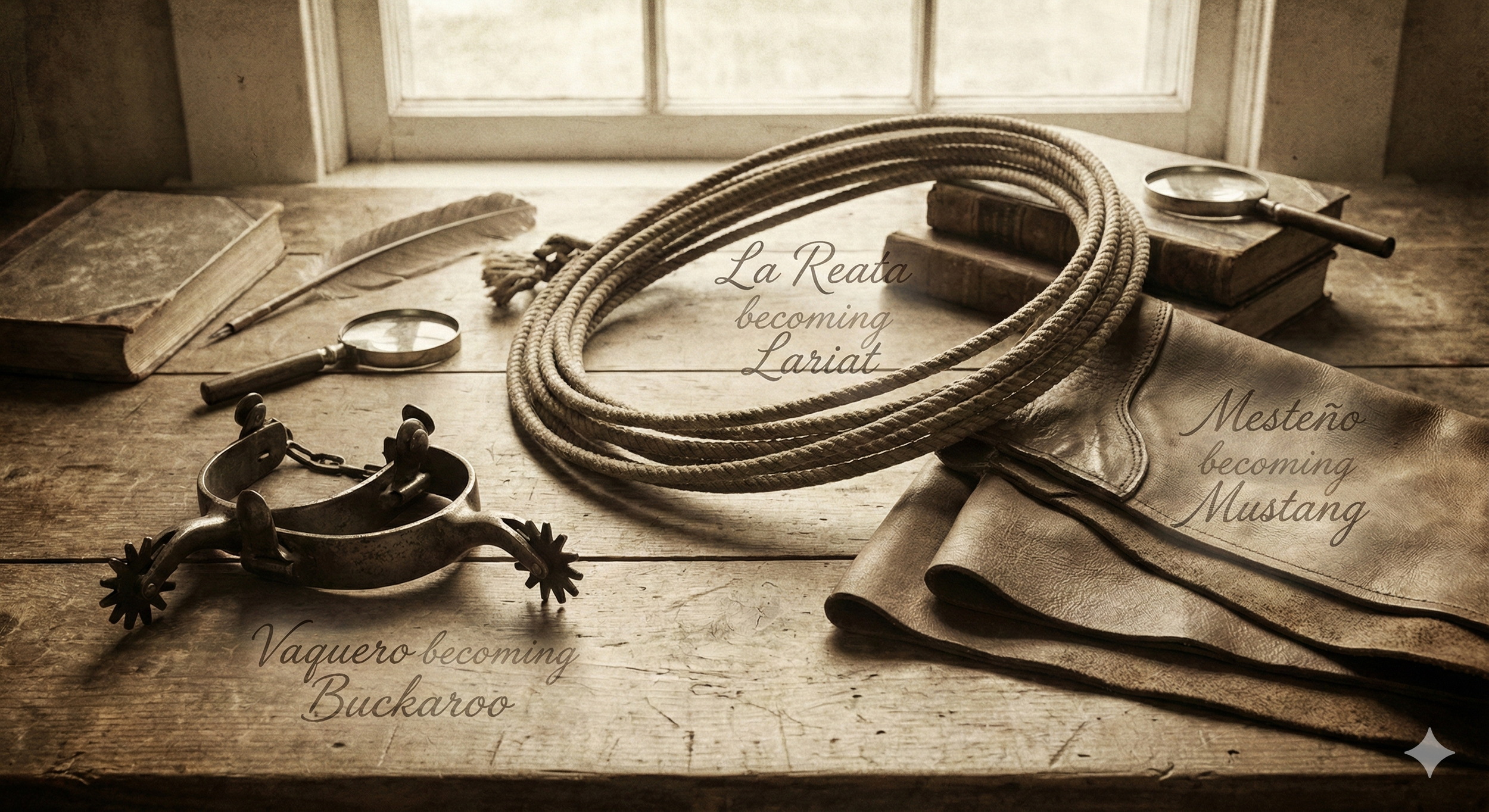
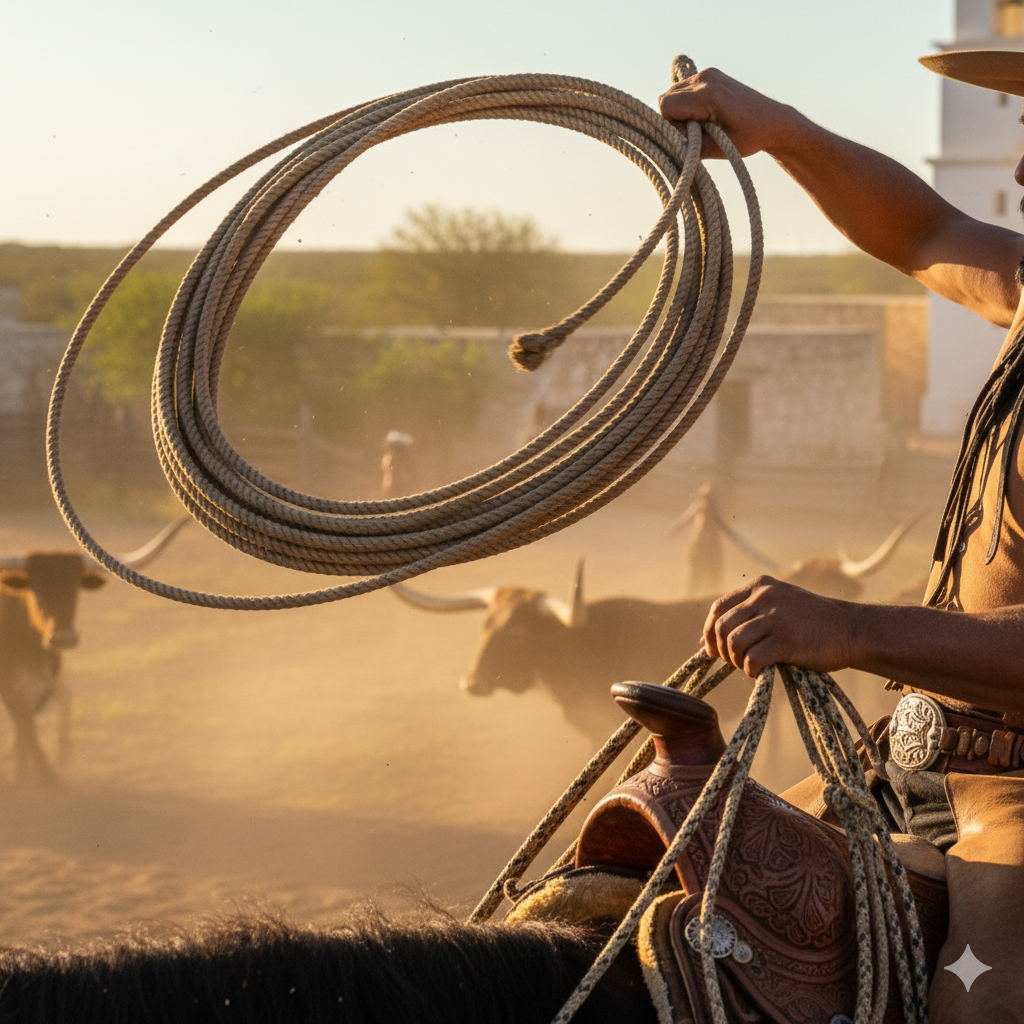


A coiled lasso rests against worn leather, each twist of rawhide holding a Spanish word—riata, lazo, rodeo—that crossed the border on vaquero tongues before it ever landed in cowboy English.
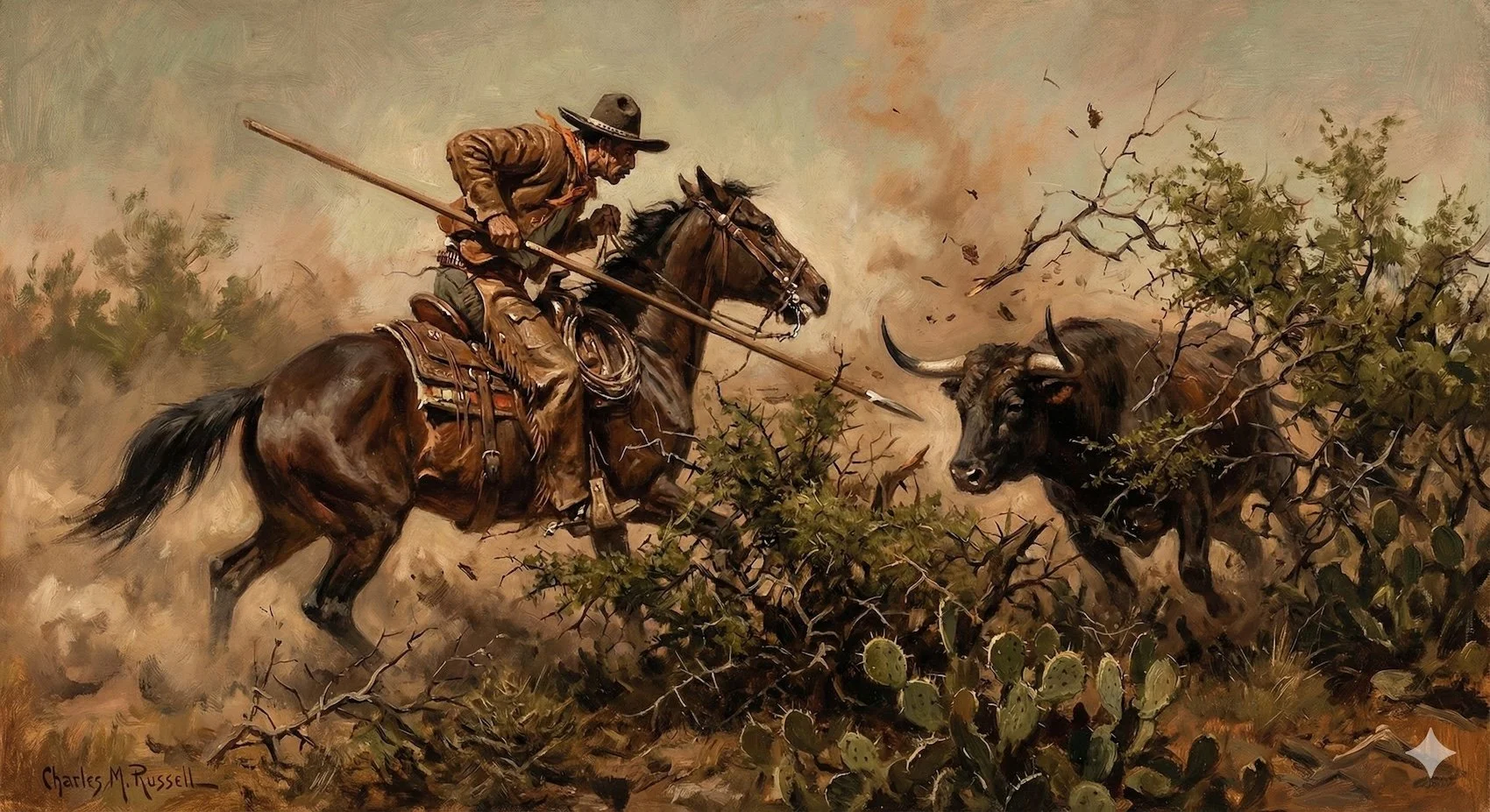
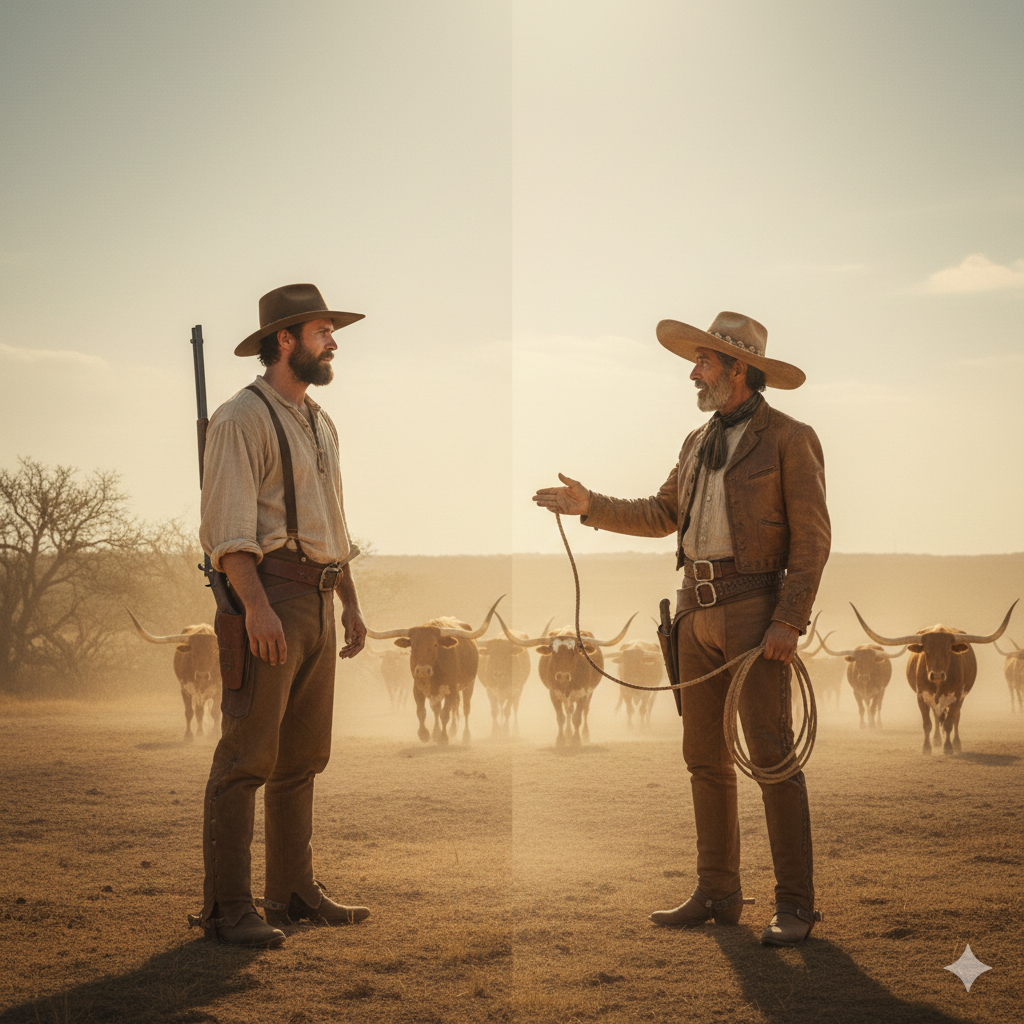
Dust hangs in the air as an Anglo cowboy and a seasoned vaquero size each other up across the corral fence, their saddles, hats, and ropes telling two different stories about the same unruly West.
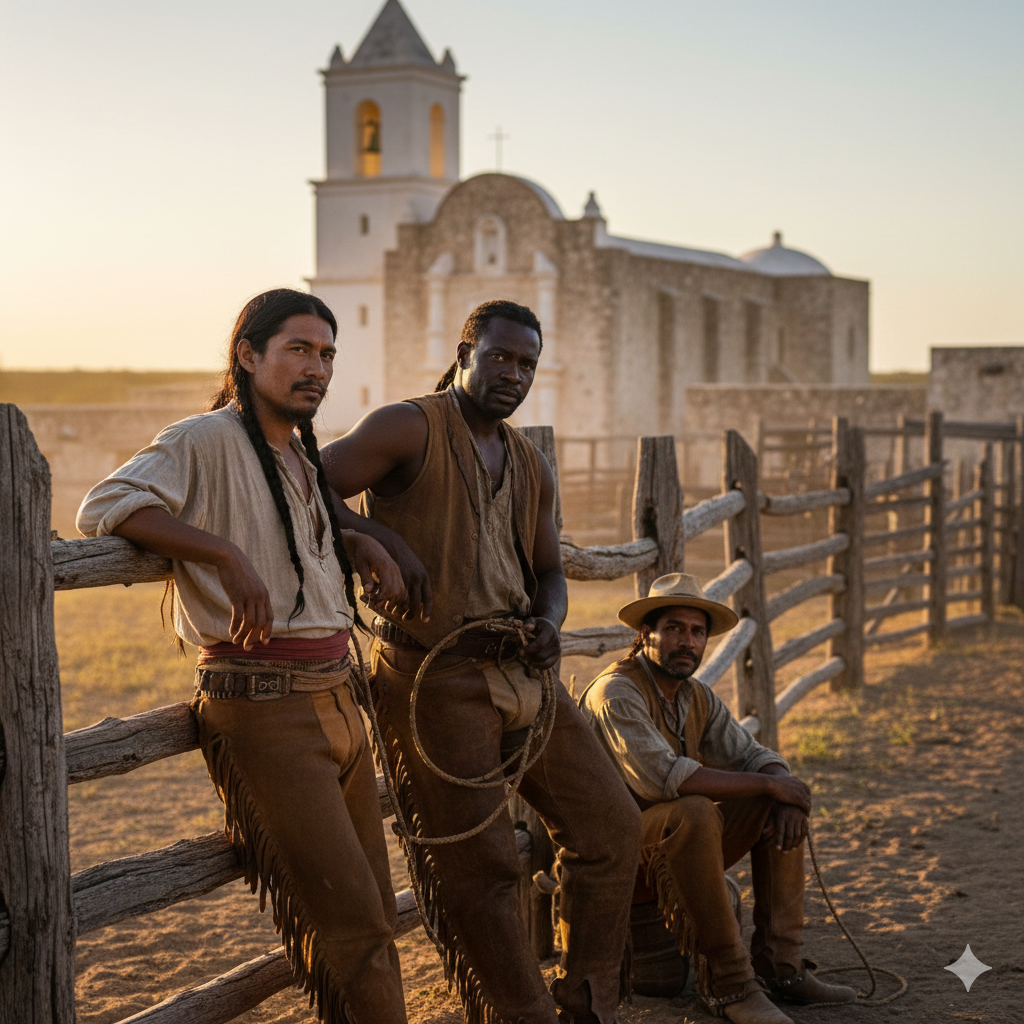
Three vaqueros of different backgrounds—Indigenous, Black, and mulatto—ride side by side across open country at golden hour, their faces in shadow but their hats, reatas, and saddles sharply lit, a reminder of the countless “invisible cowboys” who built the cattle trails and ranches of the West.
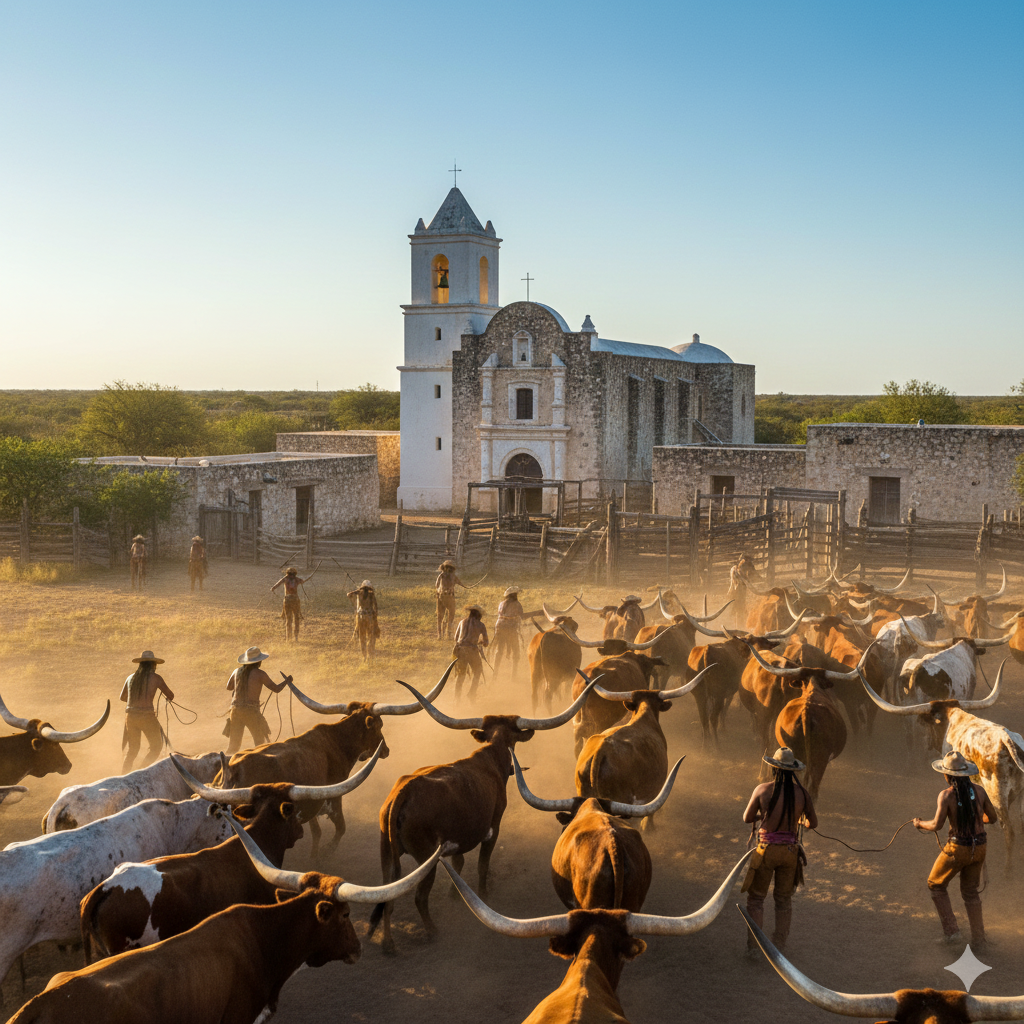
As Spanish missions faded, sprawling ranchos rose in their place, turning mission herds into private empires and vaqueros into the indispensable horsemen of a new cattle frontier that stretched from Texas to California.
Sunlight washes over the old stone mission, its weathered walls and bell tower standing guard over the courtyard like a quiet witness to the birth of ranching in the borderlands.
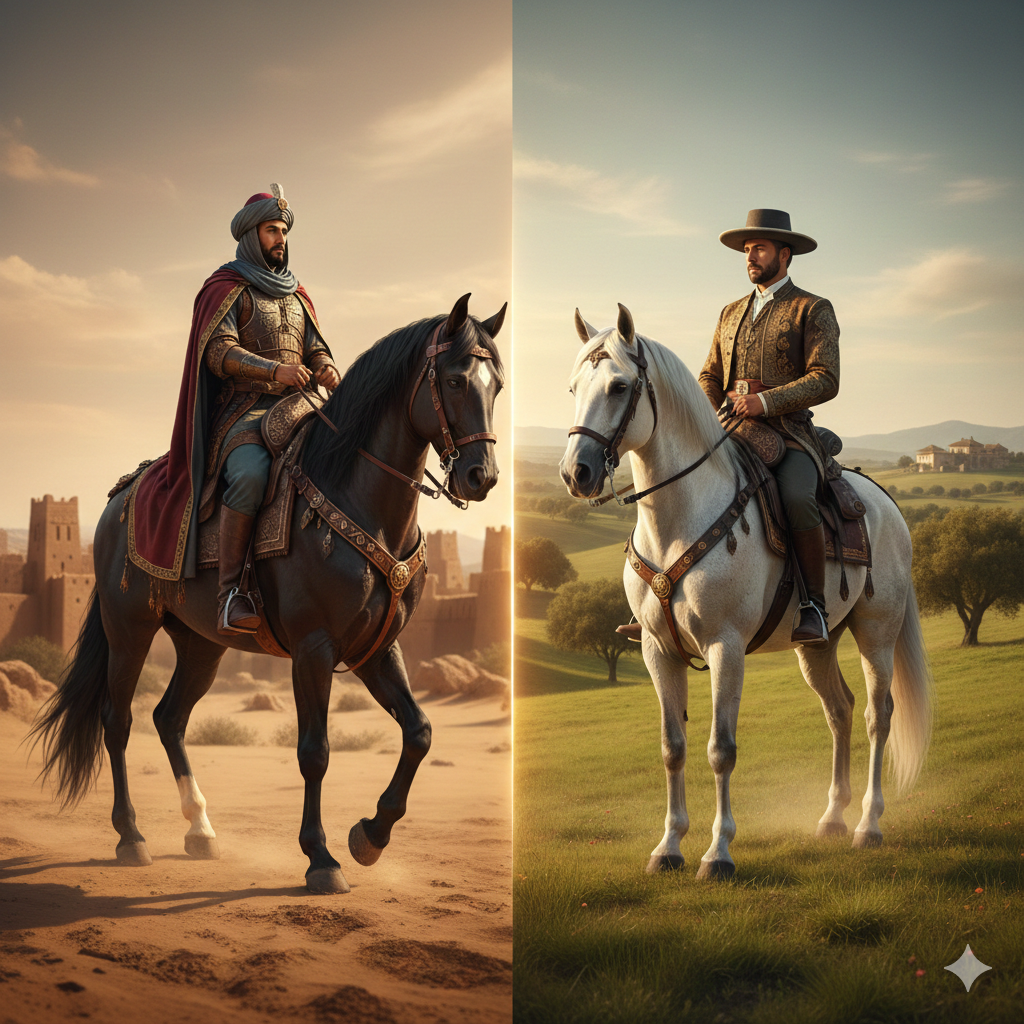
Two riders move in step across the land, one bearing the proud features of a Moor, both carrying within their posture the layered story of how African, Spanish, and Indigenous horsemen shaped what the world now simply calls “cowboy.”
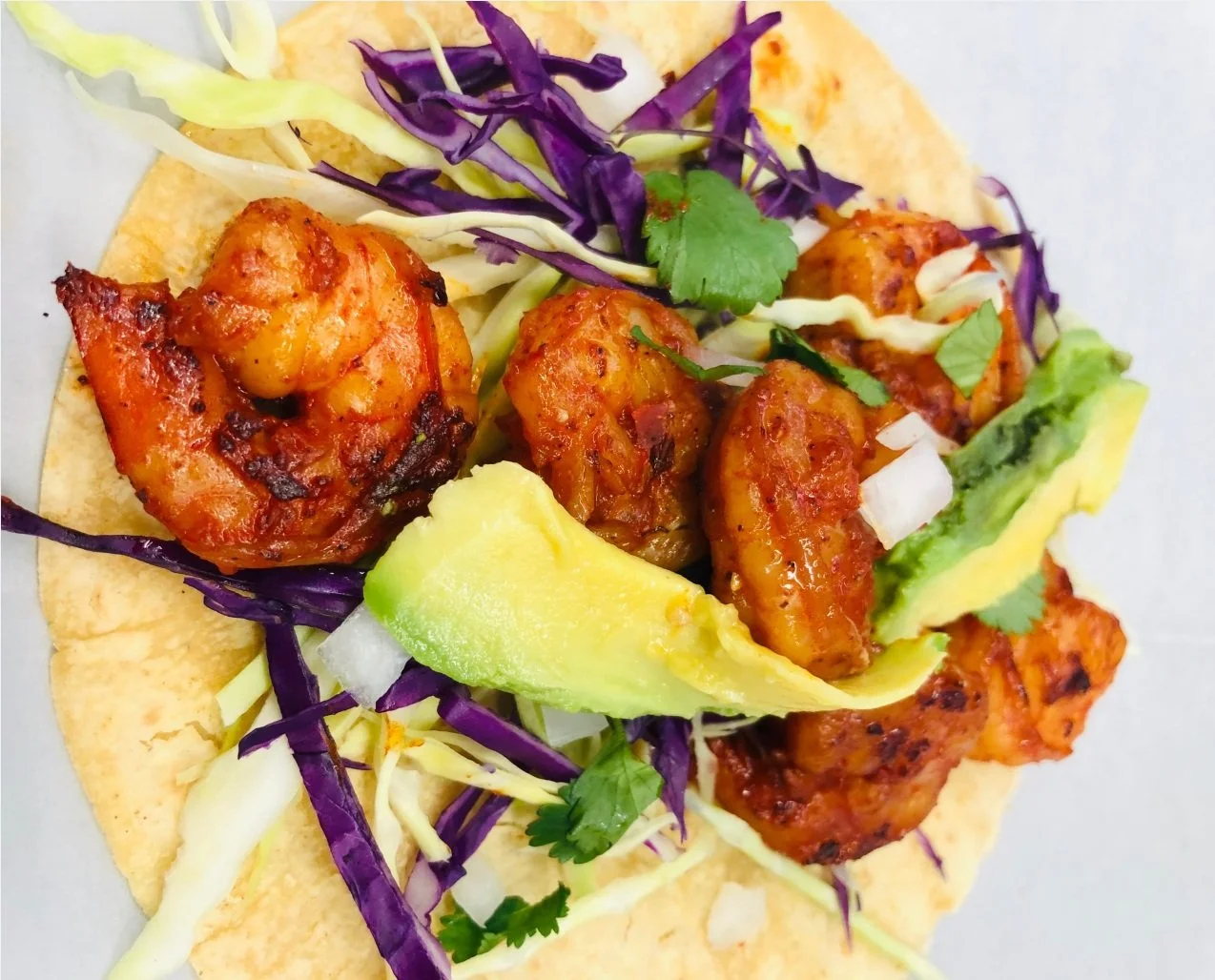
Step into the vibrant world of the Chili Queens — the legendary women whose cooking and spirit helped shape Mexican-American culinary traditions. Discover their stories, recipes, and enduring influence that continues to flavor kitchens today.